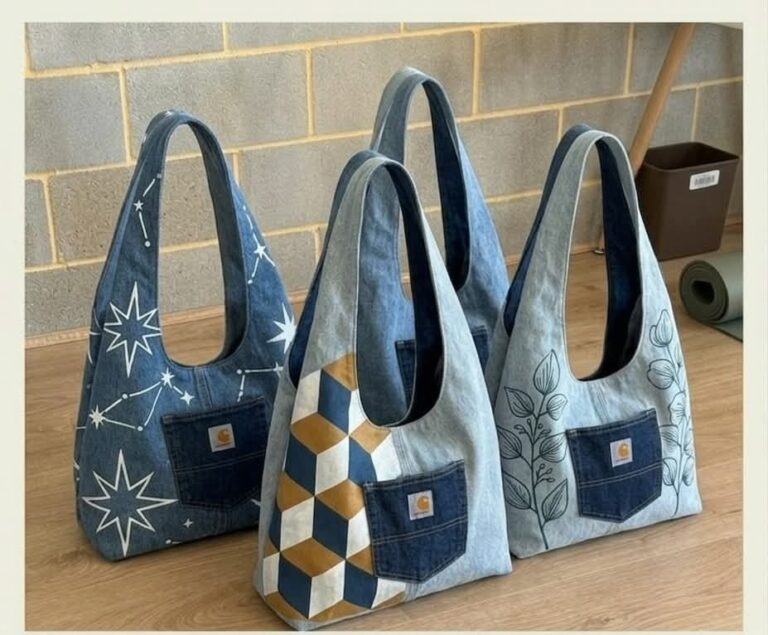
Fabric Hobo Bag Pattern


Denim Tote Bag Pattern is a practical and creative sewing project for anyone who enjoys transforming sturdy fabric into something useful. A handmade tote bag can become an everyday companion for shopping, carrying books, organizing craft supplies, or simply adding a casual handmade touch to an outfit.
A Denim Tote Bag Pattern can also be a wonderful way to give an old pair of jeans a new purpose. Existing denim pockets, waistbands, seams, and other recognizable details can sometimes become part of the finished bag, creating a design that feels personal rather than mass-produced.
One of the best things about making a denim tote bag is the flexibility of the project. You can create a simple unlined bag, add a colorful lining, include exterior pockets, make a patchwork design, or add a reinforced bottom for extra structure. Whether you are an experienced sewist or learning basic bag construction, the project can be adjusted to match your skills and available materials.
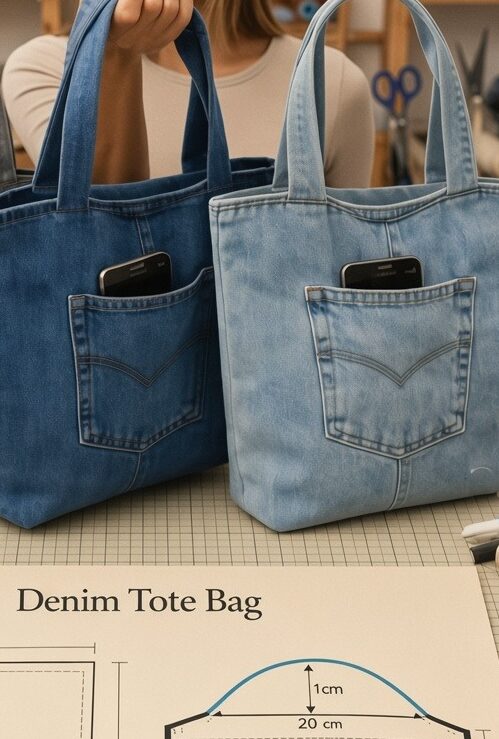
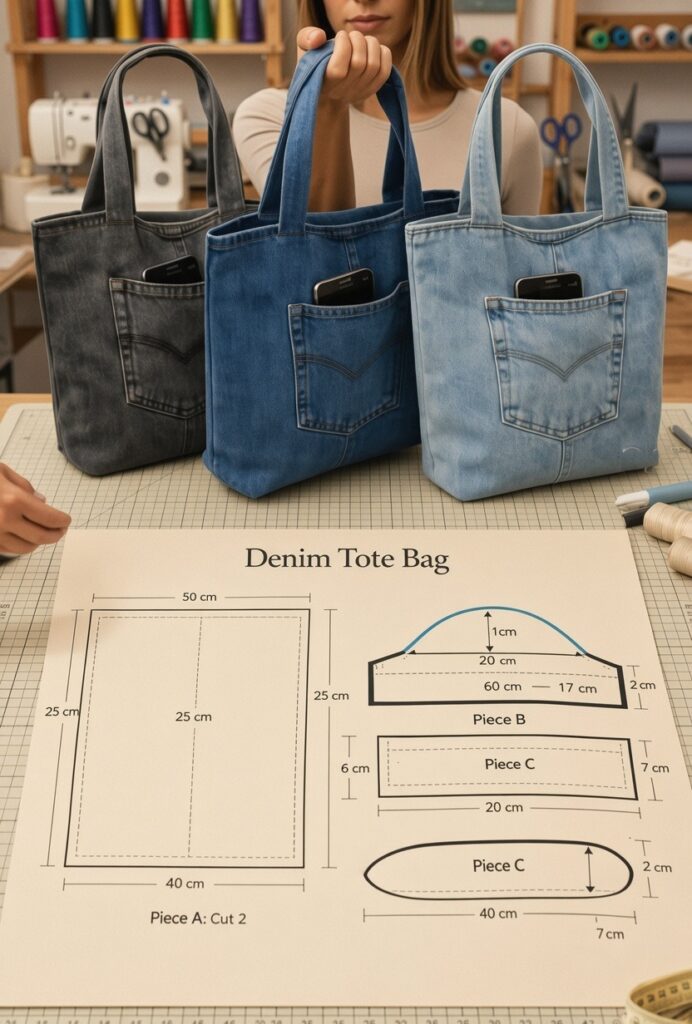
A Denim Tote Bag Pattern is a set of measurements and sewing instructions used to construct a reusable fabric bag with handles. The basic design usually includes a front, back, bottom, handles, and optionally a lining and pockets. More structured versions can include boxed corners, interfacing, closures, or multiple compartments.
One advantage of a denim tote bag sewing pattern is that denim can provide a naturally sturdy outer layer. Different weights of denim will behave differently, however, so it is helpful to consider the thickness before deciding on the construction method.
If you are working with old jeans, inspect the fabric before cutting. Choose sections that are still strong and avoid areas that are excessively thin, stretched, or damaged. Existing pockets can be especially useful because they can become functional exterior or interior storage without requiring you to construct them from scratch.
The shape of the bag can be simple or more structured. A basic rectangular tote is relatively straightforward to construct, while a bag with a boxed bottom can provide additional depth and allow the tote to stand more easily. Some current denim tote designs use folded sides, pockets, or structured bottoms to increase everyday functionality.
Handles deserve particular attention because they carry much of the weight of the bag. They can be made from denim strips, sturdy fabric, webbing, or other suitable materials. Reinforcing the points where the handles connect to the bag can help create a stronger finished project.
Before cutting your materials, read the complete Denim Tote Bag Pattern. Check the finished dimensions, seam allowances, fabric requirements, and construction order. Understanding the entire process first can make the sewing stages much easier to organize.
Begin your denim tote bag project by gathering your denim, lining fabric if desired, thread, scissors or a rotary cutter, ruler, pins or clips, and sewing machine or hand-sewing supplies. If you are recycling jeans, wash and dry them according to their normal care instructions before cutting.
Open the jeans carefully if you are using recycled denim. Remove unnecessary bulky seams when possible, but consider preserving attractive original details such as back pockets, belt loops, or decorative stitching. These features can add character to the finished bag.
Cut the main panels according to your chosen tote bag pattern. If you are creating a simple rectangular tote, two similarly sized pieces can form the front and back. Add a separate bottom or side pieces if your design calls for additional depth.
Prepare the handles next. If making handles from denim, cut long strips with enough width to create comfortable straps. Fold and press them according to your preferred construction method, then sew securely along the edges.
Attach any exterior pockets before assembling the main body. This is easier than trying to add them after the bag has been fully constructed. Existing jean pockets can be particularly convenient because they already have finished edges and original stitching.
Sew the main bag pieces together, paying careful attention to the corners and bottom. If your Denim Tote Bag Pattern includes a lining, construct the lining separately and attach it according to the pattern. Finish the upper edge neatly, reinforce the handles, and inspect the completed bag before using it.
The denim you select can dramatically influence the appearance of a Denim Tote Bag Pattern. Dark denim can create a polished and understated look, while faded denim often produces a relaxed vintage appearance. Combining different shades can create a patchwork effect without requiring complicated quilting.
Old jeans are particularly interesting because they may contain details that are difficult to reproduce with new fabric. Back pockets, belt loops, rivets, original hems, and contrasting stitching can all contribute to the final character of an upcycled tote.
A lining is optional for some tote designs, but it can improve the finished appearance and provide a smoother interior. Cotton is a practical choice for many linings, and a colorful print can create an attractive contrast against the denim exterior.
You can also add an interior pocket for small belongings. A simple slip pocket can be useful for items that might otherwise get lost inside a larger tote. If you are reusing a jean pocket, you can sometimes preserve its original shape and stitching.
Decorative stitching can make a simple denim tote bag feel more distinctive. You can use contrasting thread, embroidery, appliqué, fabric patches, or simple geometric designs. Even a small decorative detail can give the bag a more personalized appearance.
Consider the overall balance of your design before adding too many embellishments. Denim already has visual texture, especially when recycled from jeans. Sometimes preserving the original seams and pockets creates a more attractive result than covering the material with additional decorations.
One of the most important tips when following a Denim Tote Bag Pattern is to pay attention to fabric thickness. Denim can become quite bulky when several layers overlap, especially around seams, corners, pockets, and handles. Sewing slowly through these areas can help maintain better control.
Use appropriate thread and sewing equipment for the fabric you have selected. A suitable needle can make sewing denim more manageable, particularly when working through multiple layers. If your machine struggles with thick areas, avoid forcing the fabric through the machine.
Reinforce the handle attachment points. A tote bag is often used to carry multiple items, so the handles need to be securely connected to the main body. Additional stitching across the attachment area can help distribute stress.
If your bag feels too flexible, consider adding appropriate interfacing or another stabilizing layer. A structured bottom can also improve the shape of the finished tote. Some denim tote designs combine a lined interior with interfacing and a boxed bottom for additional structure.
Check the finished seams carefully before using the bag. Look for loose threads, incomplete stitching, or areas where the fabric may have shifted. Taking a few minutes to inspect the finished construction can help you identify small problems before they become larger ones.
Finally, think about how you will use the tote. A lightweight shopping bag may require a different construction from a structured everyday carryall. Designing the upcycled denim tote bag around its intended purpose can help you choose the right size, handles, pockets, and level of reinforcement.
What is a Denim Tote Bag Pattern?
A Denim Tote Bag Pattern is a sewing guide for creating a reusable tote from denim fabric. It can include instructions for the main body, handles, pockets, lining, bottom, and other construction details.
Can I make a denim tote bag from old jeans?
Yes. Old jeans can provide excellent fabric for an upcycled tote. Depending on their condition and size, you may be able to reuse the legs, pockets, waistband, seams, and other details.
Is a denim tote bag suitable for beginners?
A basic tote can be a good beginner sewing project because many versions use relatively simple shapes and seams. Working with thick denim can add difficulty, particularly around bulky seams and handles, so beginners may want to start with a simple design.
Do I need to line a denim tote bag?
Not always. An unlined tote can be quicker and simpler to make, while a lining can provide a cleaner interior and additional structure. The choice depends on the intended use and your preferred construction style.
What type of denim works best?
Medium-weight denim can be a practical choice for many tote projects. Very lightweight denim may require additional structure, while very heavy denim can be challenging to sew through multiple layers.
Can I reuse pockets from old jeans?
Absolutely. Existing pockets can become useful exterior or interior compartments. They also preserve the original character of the jeans and can give the finished tote an authentic upcycled appearance.
How can I make denim tote handles?
Handles can be made from denim strips, sturdy fabric, webbing, or other appropriate materials. If using denim, fold and reinforce the strips so they are comfortable to hold and strong enough for the intended use.
How can I make my tote bag more structured?
You can consider adding appropriate interfacing, using a structured lining, or creating a boxed bottom. The right approach depends on the weight of the denim and the shape you want for the finished bag.
Can I make a patchwork denim tote?
Yes. Small denim pieces can be joined into larger panels before constructing the tote. Mixing different shades of denim can create an attractive geometric design.
How do I sew thick denim seams?
Work slowly and avoid forcing the fabric through the machine. Use suitable sewing equipment and consider reducing unnecessary layers where possible. Planning seam intersections can also help minimize excessive bulk.
Can I add a zipper to a denim tote bag?
Yes. A zipper can be incorporated into the top opening if the pattern is designed for one or if you modify the construction appropriately. Adding a zipper generally requires additional planning compared with an open tote.
What can I use a denim tote bag for?
A denim tote bag can be useful for everyday errands, carrying books, organizing craft supplies, shopping, or transporting other lightweight items. The appropriate load depends on the bag’s construction and reinforcement.
A Denim Tote Bag Pattern is an excellent way to combine practical sewing with creative upcycling. Whether you use fresh denim or repurpose an old pair of jeans, the project allows you to create a useful bag while experimenting with fabric, pockets, handles, lining, and decorative details.
One of the most appealing aspects of a denim tote bag is its versatility. You can make a simple open tote for everyday use, add a lining and interior pockets for organization, or create a more structured version with a reinforced bottom. Existing jean details can also give an upcycled bag a distinctive personality.
For the best results, focus on accurate cutting, secure seams, reinforced handles, and careful handling of thick fabric layers. If you are new to sewing denim, begin with a straightforward design and become comfortable with the material before adding more complicated features.
You can also make the project more personal through fabric combinations, contrasting thread, patchwork, embroidery, or preserved details from the original jeans. The basic Denim Tote Bag Pattern is only the starting point; your material choices and finishing decisions can turn it into a one-of-a-kind accessory.
We hope this guide has inspired you to create your own Denim Tote Bag Pattern project. Share your honest opinion about the ideas in this article, tell us whether you would use new denim or recycled jeans, and leave suggestions for other sewing and upcycling patterns you would like to see in future articles.