Fabric Hobo Bag Pattern


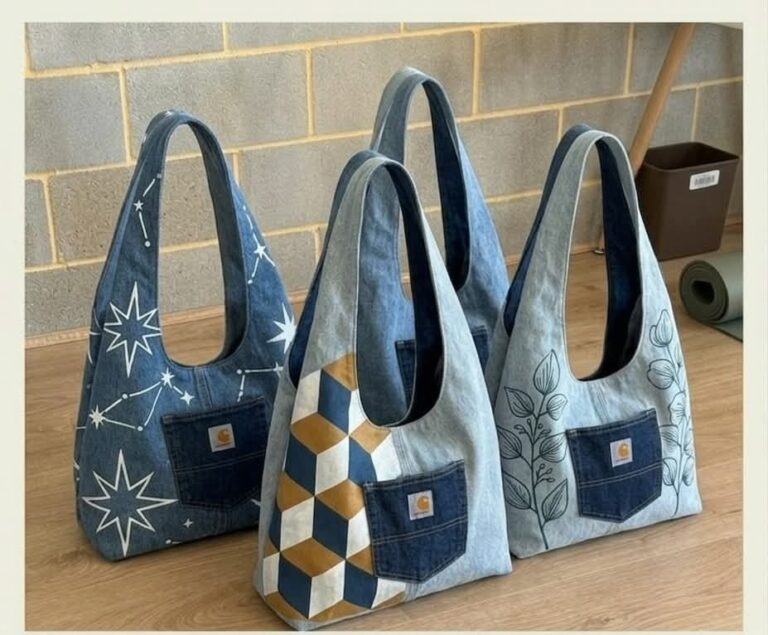
Fabric Hobo Bag Pattern is a wonderful sewing project for anyone who loves making practical accessories with a relaxed, handmade character. A hobo bag is typically recognized by its curved silhouette, soft structure, and comfortable shoulder strap, making it an appealing alternative to a traditional boxy tote.
A Fabric Hobo Bag Pattern can be adapted to many fabrics, colors, and sizes. Cotton, linen, canvas, denim, and other suitable woven fabrics can produce very different results. A lightweight fabric can create a soft, flowing bag, while a more substantial fabric or carefully selected interfacing can provide additional body without eliminating the characteristic slouchy shape.
Depending on the design, you can work with curved seams, lining, pockets, straps, interfacing, pleats, closures, and shaped bases. Many hobo bag constructions use relatively simple pattern pieces, which can make the style approachable even for someone developing confidence with bag sewing.
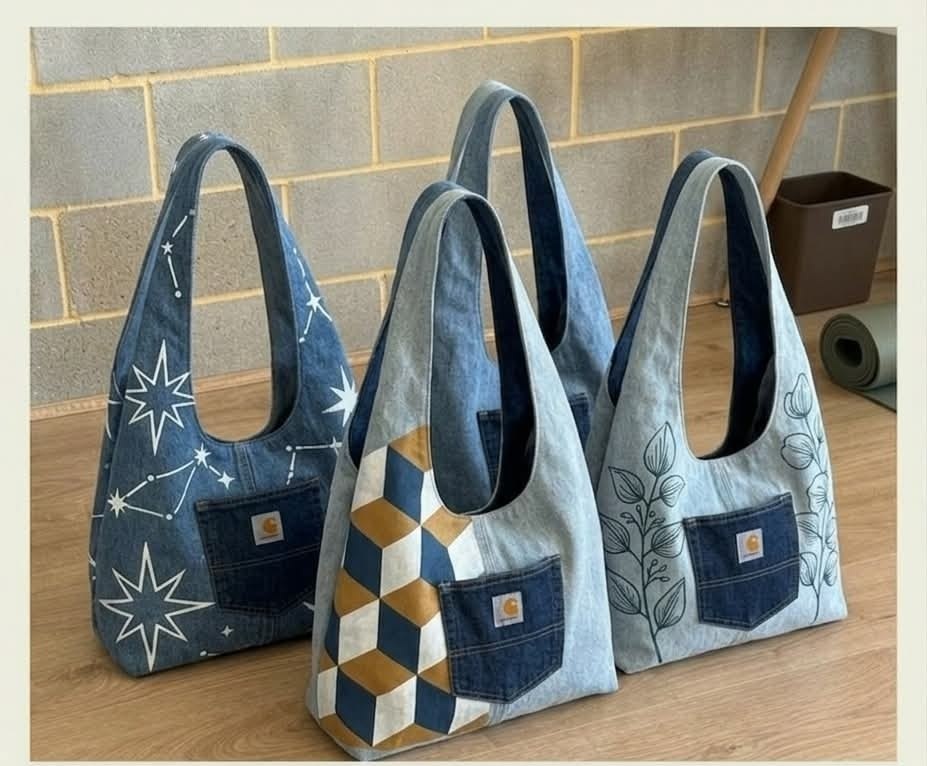
A Fabric Hobo Bag Pattern is a sewing plan that provides the shapes, measurements, and construction sequence needed to create a soft shoulder bag. Unlike a rigid handbag, a traditional hobo design generally has a relaxed silhouette that allows the body to drape naturally when carried.
The main body of the bag establishes its overall appearance. Many designs use a broad curved shape that narrows toward the upper sides, creating the characteristic slouchy profile. The exact proportions can be changed to make a compact everyday purse or a larger bag with additional carrying capacity.
A hobo bag sewing pattern may include separate exterior and lining pieces. The lining provides a finished interior and can also help reinforce the bag. Some designs use interfacing between the fabric layers to give the bag more structure while preserving some flexibility.
The strap is another defining feature. A long curved or extended strap allows the bag to rest comfortably on the shoulder. Depending on the pattern, the strap may be cut as part of the main body or constructed separately and attached later.
Pockets can make the fabric hobo bag much more practical. An interior slip pocket can keep smaller belongings organized, while an exterior pocket can provide quick access to frequently used items. Pocket placement should be planned before the main assembly begins.
Before cutting your fabric, read through the entire Fabric Hobo Bag Pattern. Check the finished measurements, seam allowances, fabric requirements, lining pieces, and any instructions involving curves or closures. Understanding the construction order can prevent unnecessary mistakes later.
Begin your fabric hobo bag project by selecting the outer fabric, lining, interfacing if needed, thread, scissors or rotary cutter, ruler, pins or clips, and sewing machine. Press the fabric before cutting so that the pattern pieces can be measured accurately.
Transfer the pattern pieces carefully onto the fabric. If the design is symmetrical, pay attention to the center line and grain direction. Accurate cutting is especially important with curved pieces because small differences can affect how the seams align.
Prepare any interfacing before assembling the bag. A lightweight stabilizer can help prevent the fabric from becoming excessively floppy while still preserving the relaxed character of the design. Using something too stiff may make the finished bag behave more like a structured handbag than a hobo bag.
If your pattern includes an interior pocket, make it before assembling the lining. Fold and press the pocket edges neatly, then sew it securely to the appropriate lining panel. Dividing a larger pocket into smaller sections can create convenient spaces for everyday essentials.
Next, sew the main exterior pieces together. Curved seams should be handled patiently, with the fabric aligned carefully before stitching. Depending on the pattern, the lower portion may include pleats or a separate shaped base to create additional room inside the bag.
Construct the lining separately and then join it to the outer bag according to the pattern. Finish the top edge, turn the bag right side out, and press the seams where appropriate. Complete the closure, topstitching, and other finishing details to give the fabric hobo bag a clean appearance.
The fabric you choose can dramatically change the personality of a Fabric Hobo Bag Pattern. Lightweight cotton can create a soft and casual bag, while linen may produce a natural, understated appearance. Canvas and denim can provide additional durability and structure for an everyday version.
If you want a particularly relaxed silhouette, avoid making the exterior excessively rigid. The characteristic appeal of a hobo bag comes partly from its ability to drape and soften when carried. Pattern guidance for hobo bags commonly recommends balancing reinforcement with the desired slouchy effect.
Color is another opportunity to personalize the project. A solid neutral fabric can create a versatile accessory that coordinates easily with different outfits. Floral prints, geometric patterns, stripes, and patchwork fabrics can give the bag a more expressive handmade appearance.
You can also use contrasting fabric for the lining. A bright or patterned interior can create a pleasant surprise when the bag is opened, while a neutral lining can keep the overall design understated. If you are using a printed fabric, consider whether the pattern needs to be aligned across the bag panels.
Decorative details should complement the curved silhouette. Embroidery, appliqué, contrasting topstitching, fabric labels, or carefully chosen buttons can add personality without overwhelming the design. A simple bag can often look more polished when the decorative elements are used selectively.
The strap can also become part of the visual design. You can make it from the same fabric as the body for a coordinated appearance or use a contrasting material for additional interest. A sufficiently wide strap can also distribute pressure more comfortably when the bag is carried on the shoulder.
One of the most useful tips when following a Fabric Hobo Bag Pattern is to test the shape before committing to expensive or favorite fabric. A simple practice version can help you understand the proportions and reveal whether the finished bag will have the amount of slouch and capacity you want.
Pay close attention to curved seams. Curves can sometimes create small puckers if the fabric is not eased carefully. Sewing slowly and using clips or pins appropriate for the fabric can make the assembly more manageable.
Interfacing should be chosen according to the final effect you want. A light layer can provide useful support without removing the relaxed character of the bag. Test the interfacing on a fabric sample first, particularly if you are unsure how the combination will behave.
If you expect to carry several items, consider adding a lining and reinforcing areas that receive additional stress. A lined hobo bag can have a cleaner interior and may provide additional support.
Think carefully about the length and width of the strap. A strap that is too short may make the bag uncomfortable to carry, while an excessively long strap can change the way the bag hangs. If possible, consider the intended wearing position before permanently attaching the strap.
Finally, take time with the finishing details. Pressing seams, trimming loose threads, checking the top edge, and ensuring that the lining sits correctly can make a significant difference. A relatively simple fabric hobo bag can look exceptionally polished when the construction is neat.
What is a Fabric Hobo Bag Pattern?
A Fabric Hobo Bag Pattern is a sewing pattern or construction guide for creating a soft, curved shoulder bag from fabric. It generally includes the main body, strap, and often a lining and pockets.
Is a fabric hobo bag suitable for beginners?
Yes. Many hobo bag sewing patterns use relatively simple shapes and construction techniques, making the style approachable for beginners. Curved seams and lining may require some practice, but they are useful skills to learn.
What fabric is best for a hobo bag?
Suitable woven fabrics include cotton, linen, canvas, and denim. The ideal choice depends on whether you want a very soft slouchy bag or a design with more structure.
Does a hobo bag need interfacing?
Not necessarily, but interfacing can provide additional support. If you want the bag to remain noticeably soft and slouchy, a lighter stabilizer is generally more appropriate than a very rigid one.
Can I make a hobo bag without a lining?
Some simple designs can be made without a lining. However, a lining can create a cleaner interior and provide additional support, particularly if the outer fabric is lightweight.
Can I add pockets to a fabric hobo bag?
Yes. Interior pockets are especially useful for keeping small items organized. You can also add an exterior pocket if the pattern and construction allow for it.
Can I change the size of a hobo bag pattern?
Many patterns can be resized, but changes should be made carefully because altering the proportions can affect the curve, strap length, lining, and overall shape. Creating a practice version first can help.
How do I keep a hobo bag from becoming too floppy?
Choose a fabric with appropriate body or add lightweight interfacing. A lined construction can also help. Avoid over-stabilizing the fabric if you want to preserve the characteristic relaxed silhouette.
Why does my hobo bag not have the expected curved shape?
The shape can be affected by fabric weight, interfacing, seam allowances, construction, and pattern proportions. Check that the pattern pieces were cut accurately and that the curved seams were assembled correctly.
Can I use recycled fabric for a hobo bag?
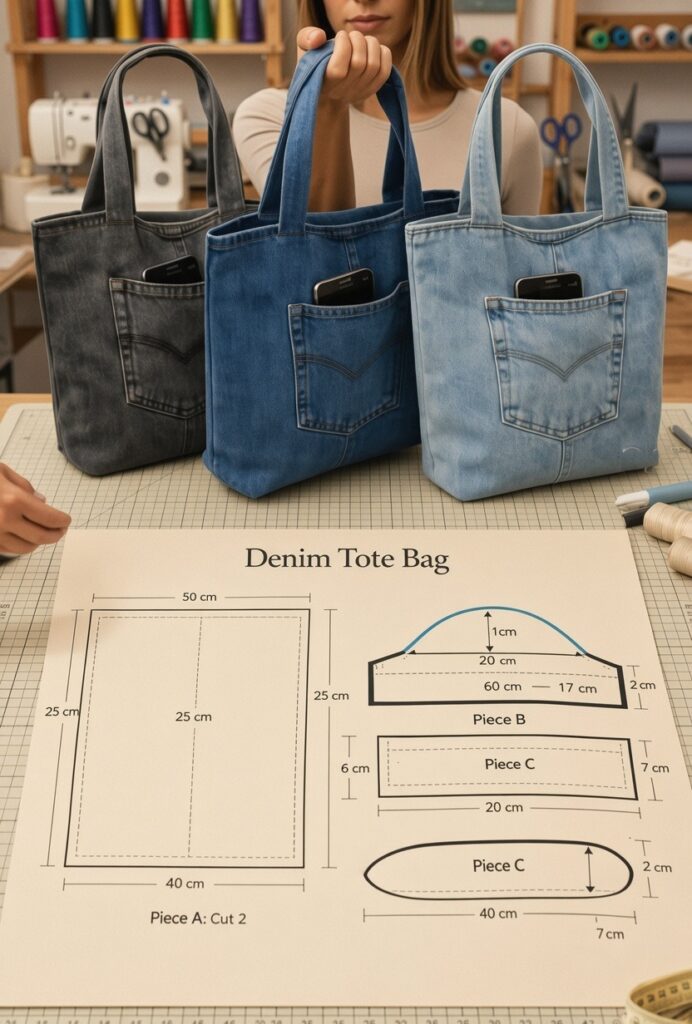
Yes, provided the fabric is strong enough and suitable for the intended use. Repurposed denim, cotton garments, or other sturdy textiles can create distinctive handmade bags.
What type of closure can I use?
Depending on the construction, you can use a button, magnetic-style closure, zipper, drawstring, or another appropriate method. Some hobo designs use a simple opening to maintain a very relaxed appearance.
How can I make the strap more comfortable?
A wider strap can distribute pressure across a larger area. You can also choose a softer material or add suitable padding if the bag will regularly carry heavier everyday items.
A Fabric Hobo Bag Pattern is a versatile sewing project that combines a relaxed silhouette with practical everyday functionality. Its curved shape, soft structure, and comfortable shoulder strap make it a distinctive alternative to more traditional rectangular bags.
The project also offers plenty of opportunities for creativity. You can experiment with cotton, linen, canvas, denim, prints, solids, patchwork, contrasting linings, pockets, embroidery, and decorative stitching. The same basic fabric hobo bag concept can therefore produce many completely different finished designs.
For the best results, focus on accurate cutting, careful handling of curved seams, appropriate interfacing, and secure strap construction. A practice version can be particularly helpful if you are new to curved bag construction or want to modify the proportions.
We hope this guide has inspired you to create your own Fabric Hobo Bag Pattern project. Share your honest opinion about the design, tell us which fabric you would choose, and leave suggestions for other sewing patterns you would like to see in future articles.